Assistant Professor of Neurology · Board Certified Epileptologist
FOR PATIENTS
I'm here to help you understand your brain — and advocate for your care.
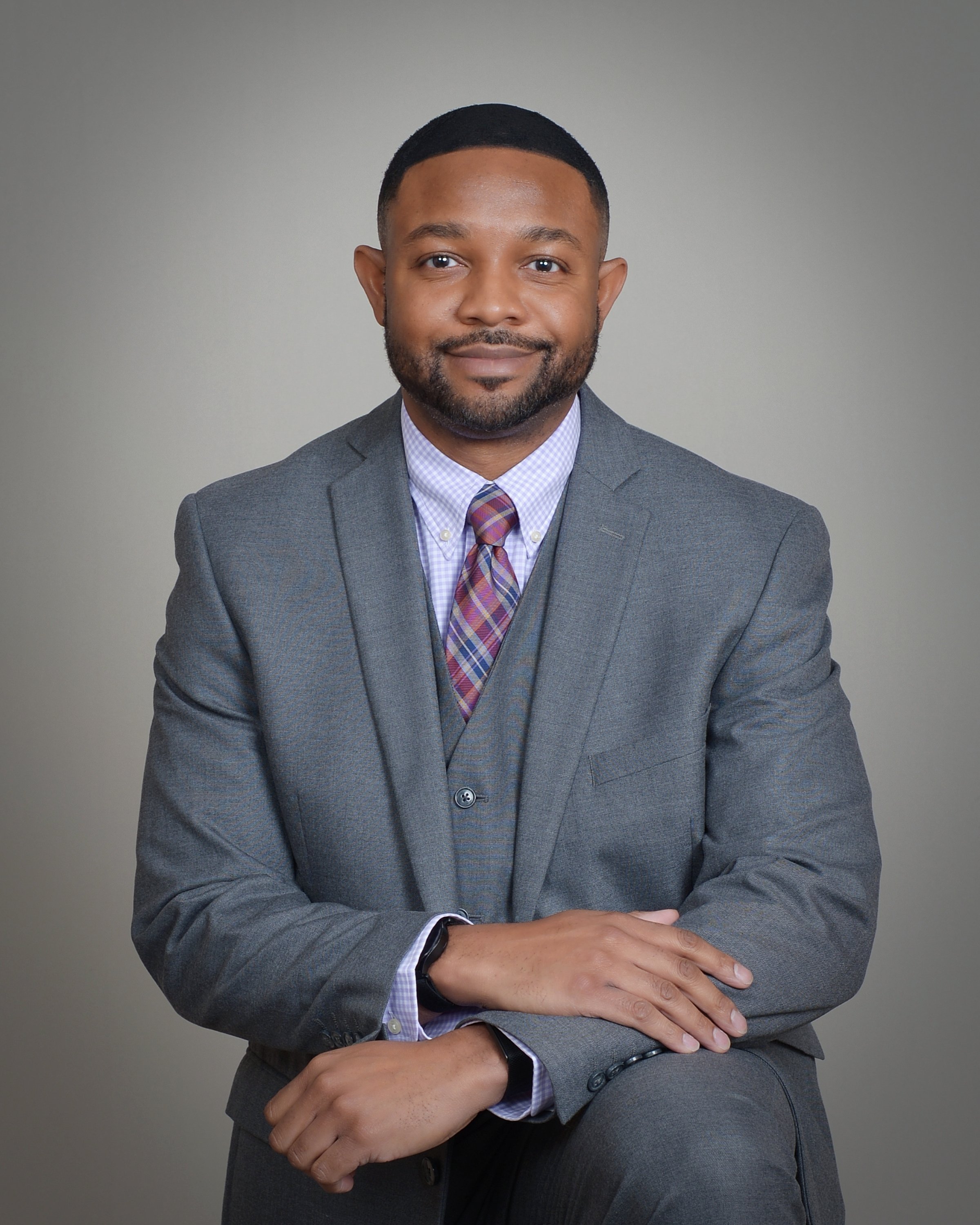
Jonathan P. Williams, MD · Neurologist & Epilepsy Specialist · Barnes Jewish Hospital
Living with epilepsy or a neurological condition can feel overwhelming — and it can be even harder when you feel like the system wasn't built with you in mind. I became a neurologist because I believe every patient deserves clear answers, compassionate care, and a doctor who truly listens. As a board-certified neurologist and epileptologist at Barnes Jewish Hospital and Washington University School of Medicine in St. Louis, I specialize in diagnosing and treating epilepsy and seizure disorders — but my work doesn't stop at the prescription pad.
I grew up believing that medicine is a relationship, not a transaction. That's why I take time to explain what's happening in your brain in plain language, to understand your life outside the clinic, and to make sure the plan we make together actually works for you. I'm especially committed to patients from communities that have historically been underserved — because I know that access, trust, and representation matter just as much as the science.
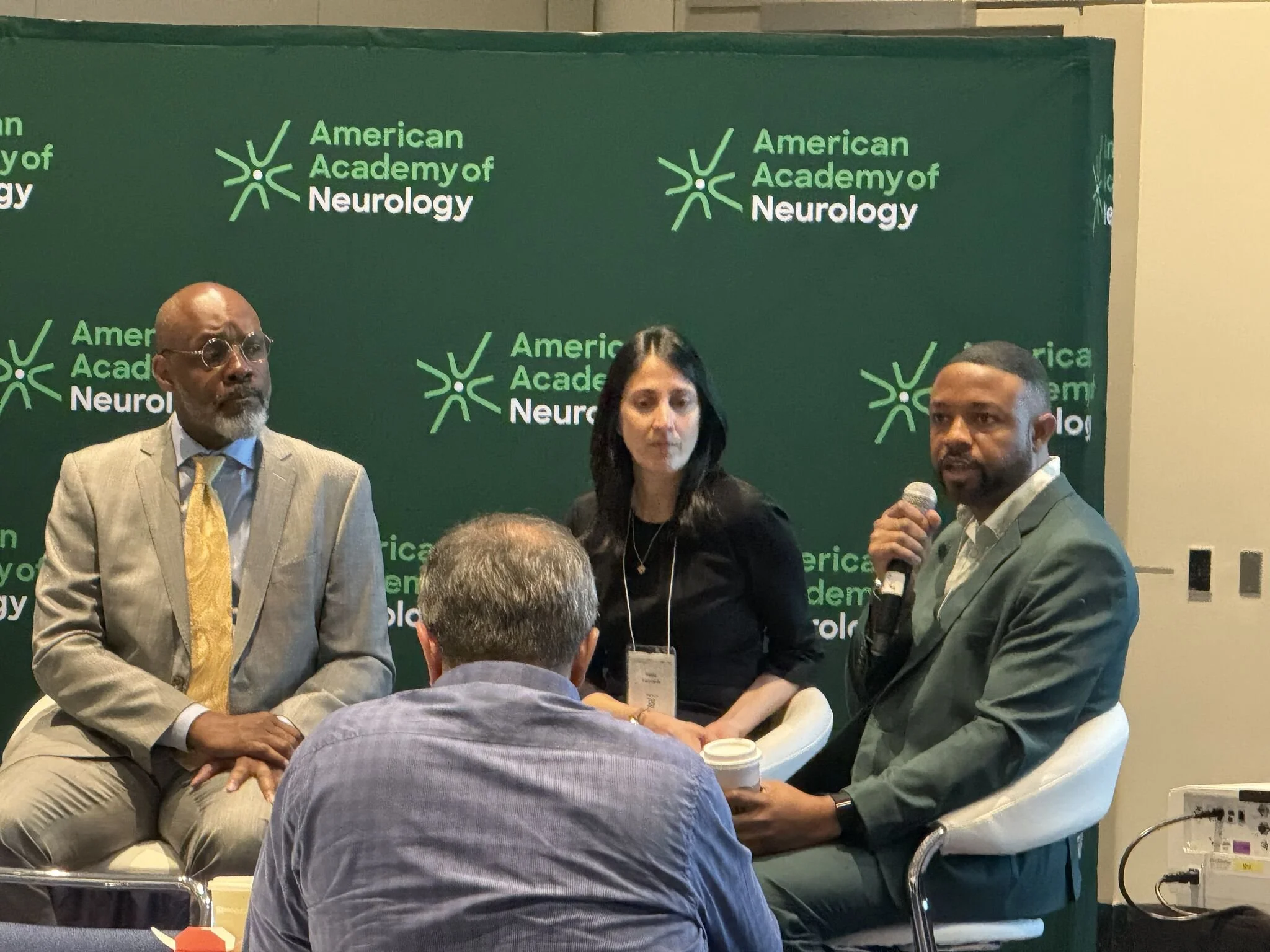
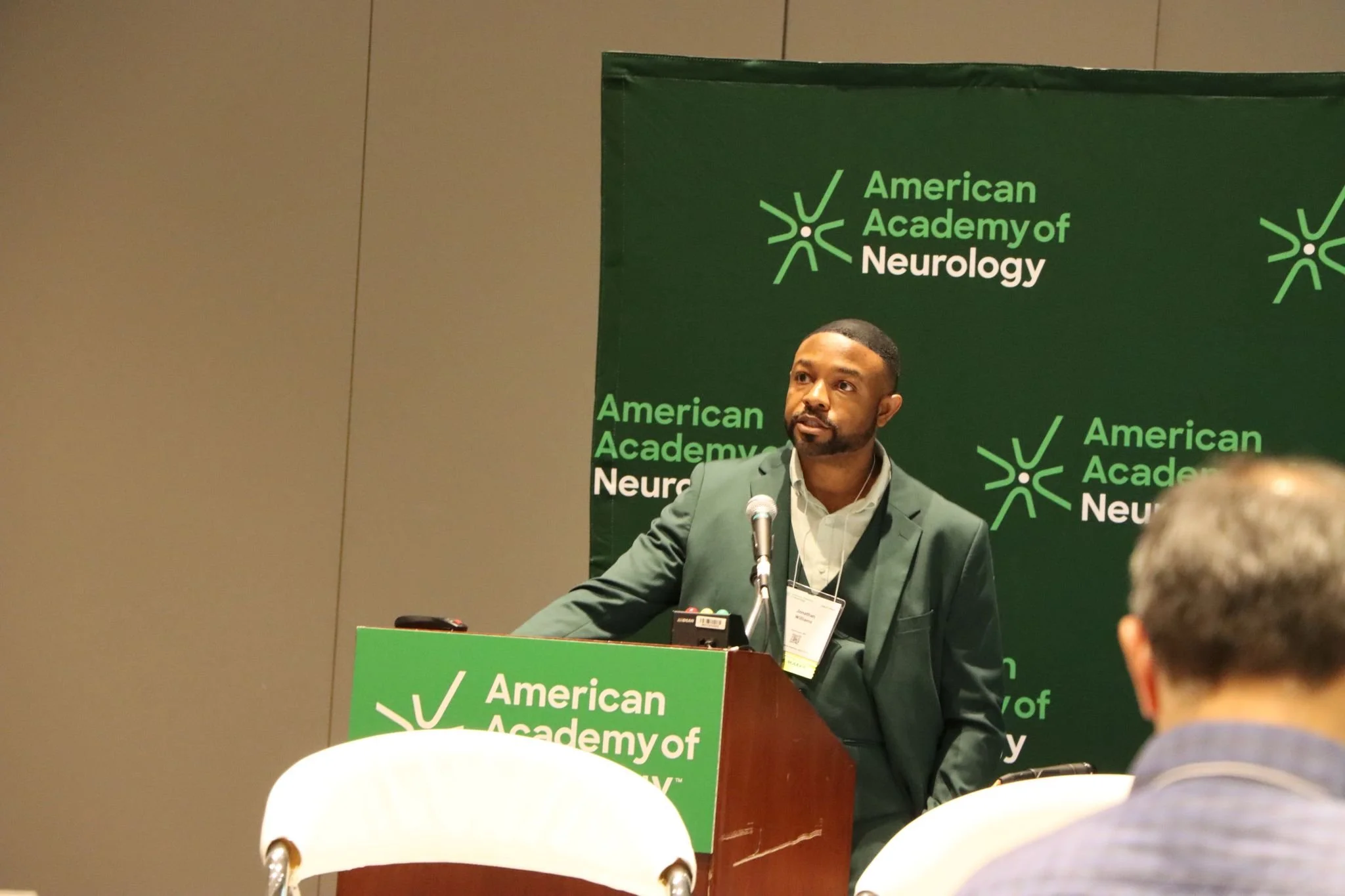
Outside of clinic, I speak at community events on epilepsy and dementia, volunteer with the Epilepsy Foundation, and work with national organizations to make sure patient voices shape the future of neurological care. If you're navigating a new diagnosis, looking for a second opinion, or simply want a doctor who will be in your corner — I'd be honored to be part of your team.
FOR RESEARCHERS:
Bridging clinical neuroscience and health equity research — one study at a time.
Jonathan P. Williams, MD, MS · Assistant Professor of Neurology (Clinician Researcher Track) · Washington University School of Medicine
My research sits at the intersection of epilepsy, health equity, and precision medicine — driven by the conviction that disparities in neurological care are not inevitable, but are measurable, modifiable, and worth solving. I am an Assistant Professor of Neurology on the Clinician Researcher Track at Washington University School of Medicine, and I hold a Master of Science in Clinical Research from the Medical University of South Carolina. My training through the NeuroNEXT Fellowship for Clinical Trial Training gave me a rigorous foundation in trial design, biomarker development, and translational methodology.
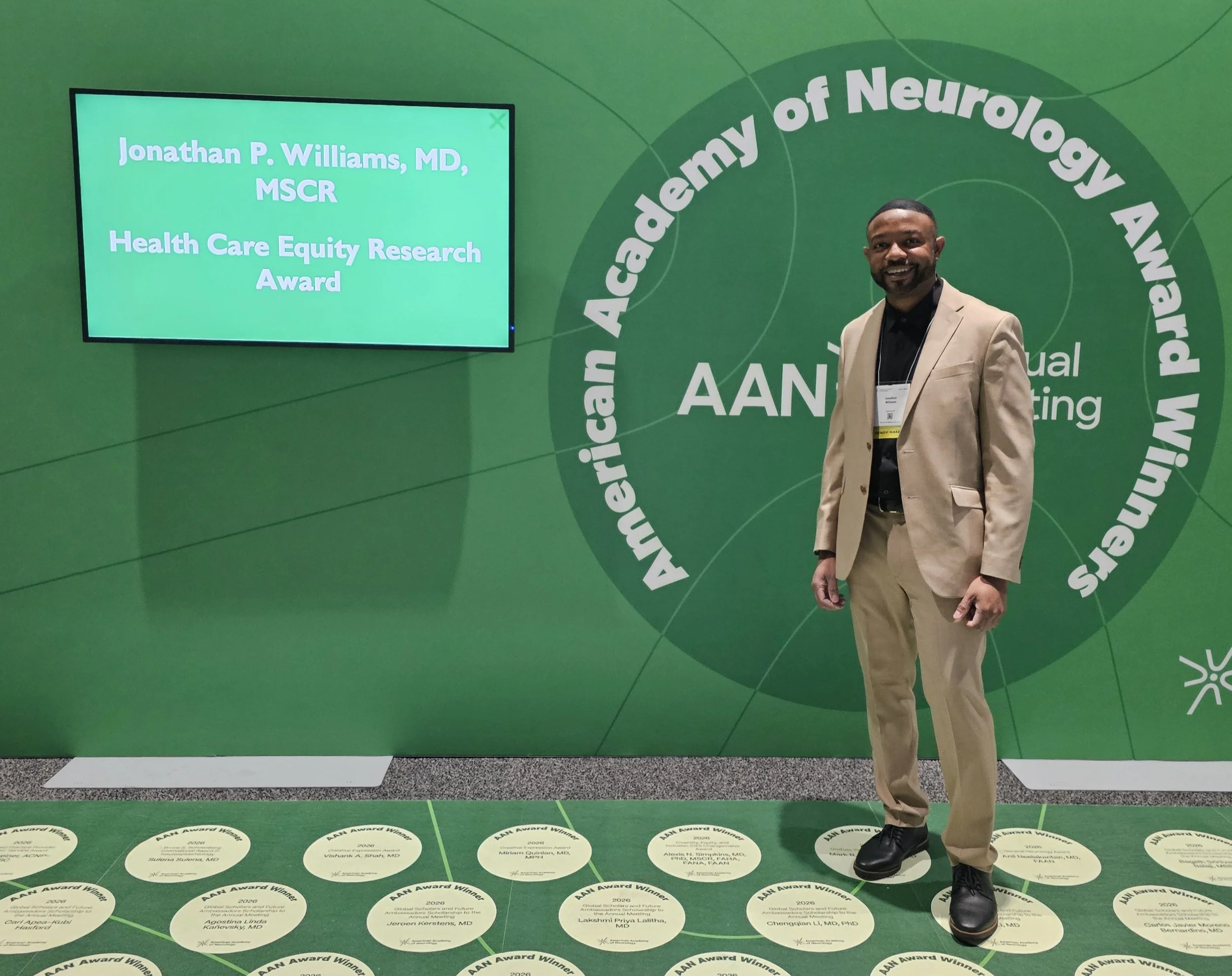
My work centers on understanding how structural and social determinants of health shape epilepsy outcomes — particularly in Black and underrepresented communities — and on developing interventions that are both scientifically sound and culturally responsive. I have been recognized by the American Academy of Neurology through the Health Care Equity Program Scholarship, the TRANSCENDS Program, the DEI Project Grant, the H. Richard Tyler Award, and most recently the 2026 AAN Health Care Equity Research Award. I also serve as the Inaugural Section Editor for Equity Neuroscience at the Journal for the Society for Equity Neuroscience, and as a peer reviewer for Neurology, Epileptic Disorders, and the Journal of Racial Health Disparities.
My background in mathematics informs how I approach methodology — I am drawn to problems that require both quantitative precision and qualitative depth. I am actively engaged with national research infrastructure through committee work with the American Epilepsy Society, the Epilepsy Alliance America, and the Epilepsy Foundation Research Ambassador Program. If your work touches on epilepsy, neurological disparities, clinical trial design, or equity-centered research frameworks, I welcome the conversation.
FOR COLLABORATORS:
Let's build something that actually moves the needle — together.
Jonathan P. Williams, MD, MS · Neurologist · Researcher · Equity Advocate · Washington University School of Medicine
I am a clinician-researcher at Washington University School of Medicine, and my work lives at the crossroads of epilepsy care, health equity, and community engagement. My training is interdisciplinary by design — I came to medicine through mathematics, earned my MD at Howard University College of Medicine, completed specialty training and a clinical epilepsy fellowship at WashU, and went on to earn a Master of Science in Clinical Research. That combination shapes how I think: analytically, but with deep attention to the human and structural contexts that data alone can't capture.
I am most energized by collaborations that are genuinely cross-sector — whether that means working alongside epidemiologists, data scientists, community health workers, policymakers, or industry partners who are serious about equity as a design principle. I have active roles in national epilepsy organizations including the Epilepsy Alliance America, the Epilepsy Foundation Research Ambassador Program, and as a founding committee member of IMPACT Epilepsy. I serve as the Inaugural Section Editor for Equity Neuroscience, and I review for Neurology and the Journal of Racial Health Disparities — so I bring both practitioner and editorial perspectives to collaborative work.
My current research priorities include disparities in epilepsy diagnosis and treatment, precision health in Black communities, and community-based models of neurological care. I am a strong believer that the best research is co-created — with communities, across disciplines, and with a shared commitment to outcomes that matter. If your work touches any of these areas, or if you're looking for a collaborator who can bridge the clinical, research, and community engagement worlds, I'd genuinely love to connect.
FOR INVESTORS:
Turning the most under-addressed gap in neurology into a research and care imperative.
Epilepsy affects over 3.4 million Americans — yet racial and socioeconomic disparities in diagnosis, treatment access, and outcomes remain staggering and largely unaddressed by the research enterprise. I am a board-certified neurologist and epileptologist at Washington University School of Medicine, one of the nation's top academic medical centers, and my clinical and research focus is precisely this gap: identifying what drives disparate neurological outcomes and building scalable, evidence-based solutions to close them.
My work is nationally recognized and institutionally supported. I hold a Master of Science in Clinical Research, have been awarded competitive grants and fellowships from the American Academy of Neurology — including the AAN DEI Project Grant and the 2026 AAN Health Care Equity Research Award — and serve in advisory and editorial leadership roles across multiple national epilepsy organizations. I was trained in clinical trial design through the NeuroNEXT Fellowship, giving me the infrastructure and methodology expertise to translate research findings into actionable clinical and policy outcomes.
I am particularly interested in partnerships that advance neurotechnology, digital health tools, or care delivery models designed with equity as a core design principle — not an afterthought. The communities most affected by epilepsy disparities represent both an unmet medical need and an underserved market. If you are working on solutions at this intersection and looking for a clinical and research collaborator who brings credibility, network, and deep domain expertise, I'd welcome a conversation.
Request a Strategic Consultation
Complete the inquiry form to initiate a dialogue; we will respond promptly to collaborate on tailored brand optimization initiatives.